
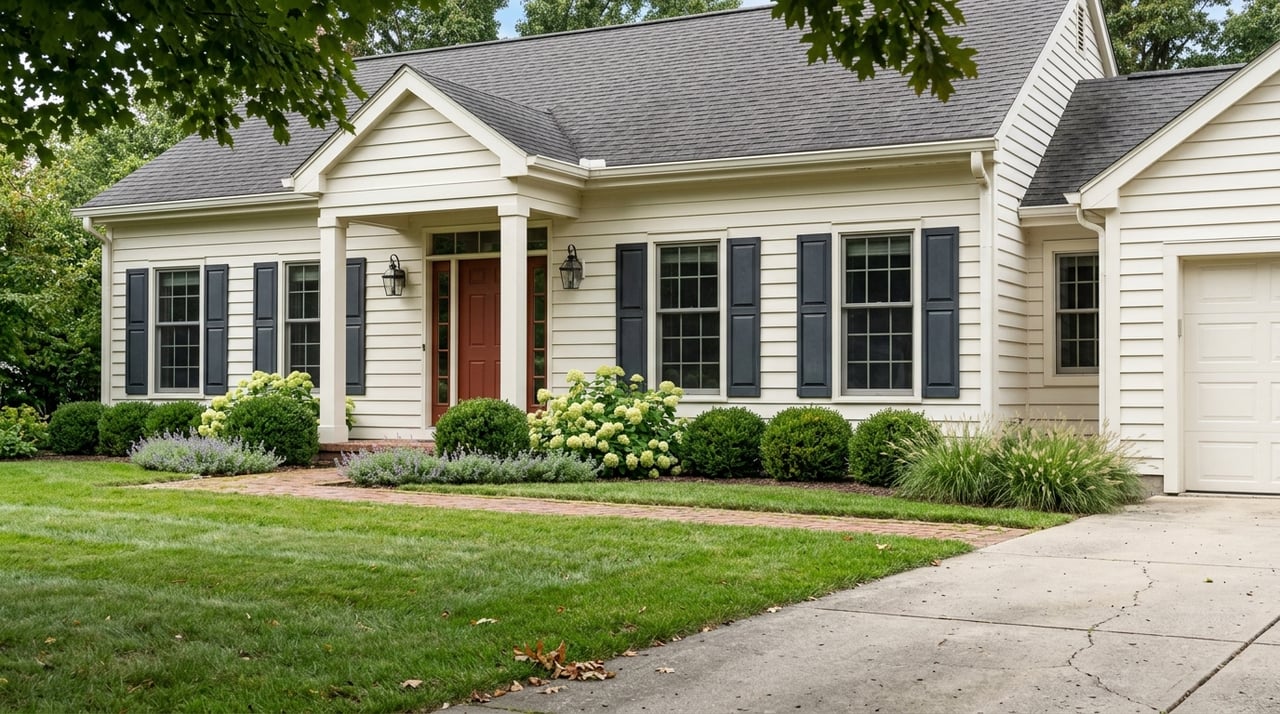
Thinking about trading Chicago’s density for more space, easier parking, and a different daily rhythm? If Palatine is on your shortlist, you’re probably weighing a few big questions at once: what kind of home you can find, how manageable the commute really is, and what day-to-day life feels like once the move is done. This guide will help you compare those tradeoffs clearly so you can decide whether Palatine fits your next chapter. Let’s dive in.
Palatine is a northwest Cook County suburb with an estimated population of 65,951, located about 30 miles from Chicago’s Loop and roughly 14 miles from O’Hare, according to the U.S. Census QuickFacts and the Village of Palatine. That location puts you within reach of both downtown Chicago and major regional job centers.
For many Chicago buyers, the appeal is straightforward. Palatine offers a more suburban setting, with residential neighborhoods, commercial areas, light industrial and office space, plus parks and open space throughout the community, as described by the village. In practical terms, that often means a quieter residential pattern, more room to spread out, and a lifestyle that leans more heavily on driving than many city neighborhoods do.
If you are moving from Chicago, one of the biggest changes you may notice is the housing mix. Palatine’s 2025 Comprehensive Plan shows that single-family neighborhoods make up 43% of village land use, which helps explain why many buyers look here when they want more traditional suburban housing.
That does not mean your choices are limited to detached homes. The village’s rental program identifies several housing types in Palatine, including apartment buildings, two- to six-flats, single-family homes, townhomes, and condominiums. Multifamily housing is more concentrated in the northeast corner, while smaller transit-oriented housing options are generally closer to the downtown area.
Palatine is not necessarily a bargain alternative to Chicago, but it can offer a different value equation. The Census QuickFacts report a median value of owner-occupied housing units of $355,600, a median gross rent of $1,549, and an owner-occupied rate of 67.4%.
That data points to a market where ownership plays a major role. If your goal is to move from renting in the city to owning in the suburbs, Palatine may offer a wider range of ownership opportunities across housing types, especially if you are open to comparing single-family homes, townhomes, and condos.
The research report also notes a February 2026 market snapshot showing a median sale price of about $298,000 and a typical market time of 57 days. That suggests you may have more time to evaluate options than in an ultra-competitive market, though your experience will still depend on the specific home type, location, and condition.
If you are relocating, that can be helpful. It gives you a better chance to compare commute access, layout, storage, parking, and proximity to the amenities that matter most in your day-to-day routine.
For many movers, commute reality matters just as much as the home itself. Palatine gives you both rail and highway access, but it is important to view the trip honestly: this is a real suburb-to-city commute, not a quick hop across town.
The Village of Palatine highlights access to I-90, Route 53, and U.S. 12/14. That road network can be useful if you drive to work, split time between office locations, or need flexibility for regional travel.
Palatine’s Metra station is located at 137 W. Wood Street on the Union Pacific Northwest line in Zone 4. For many residents, this is the key connection to downtown Chicago.
The station setup makes park-and-ride a realistic option. According to Metra’s station page, the station has 1,368 parking spaces across 12 lots, including 990 daily-only spaces and 21 ADA spaces.
The current UP-NW schedule shows weekday inbound departures from Palatine at 4:42, 5:12, and 5:42 a.m., arriving at Ogilvie at 5:42, 6:12, and 6:42 a.m. Those examples show that many common rush-hour train trips are about one hour end-to-end, depending on the train you catch.
Driving can make sense if you work in suburban office corridors or have a reverse commute. But if your destination is the Loop, it helps to plan for a true suburban commute rather than assuming the distance will feel similar to living in Chicago.
That does not make Palatine impractical. It simply means your housing decision should account for how often you need to be downtown, whether you prefer train travel or driving, and how much daily commute time fits your lifestyle.
Once you are beyond the move itself, daily convenience matters. Palatine offers a mix of downtown activity, neighborhood amenities, and recreation options that shape how life feels week to week.
The village says Palatine has a downtown business district and 30 shopping areas. The 2025 Comprehensive Plan adds that downtown developed around the commuter rail station, with concentrated commercial uses and increased residential density.
That is useful context if you are deciding where to live within Palatine. Areas near downtown may offer a more walkable, transit-oriented experience, while other parts of the village follow a more traditional suburban pattern where driving is part of everyday life.
If outdoor access is high on your list, Palatine stands out for its recreation network. The Palatine Park District says it operates and maintains 50 parks and facilities across 735 acres.
That system includes three outdoor aquatics facilities, one indoor aquatics facility, a golf course, a trail system, and additional recreation venues. The district also notes that the Palatine Trail connects residents to parks, Harper College, Palatine Hills Golf Course, and other northwest suburban bike trails.
For many Chicago movers, this is one of the biggest lifestyle shifts. Recreation is less about fitting into limited city green space and more about having regular access to parks, trails, and facilities woven into your routine.
The Palatine Public Library District operates a Main Library in Palatine along with branch locations at North Hoffman and Rand Road. That gives you multiple local options for picking up materials, working remotely for part of the day, or building errands into a simpler routine.
This is one of the less flashy but very practical parts of suburban life. When key services are spread throughout the community, your week can feel more localized and less dependent on heading back into the city.
A move from Chicago to Palatine is usually not about doing the same thing in a different zip code. It is about choosing a different balance of space, transportation, housing type, and daily pace.
You may gain:
You should also expect:
For many buyers, that tradeoff feels worthwhile. If your priority is more room, a residential setting, and a routine that blends suburban convenience with access to Chicago, Palatine can be a strong option.
Palatine may be a good fit if you want a village setting with a strong single-family presence, practical commuter rail access, and everyday amenities that support suburban living. It can be especially appealing if you are comfortable with a train-or-drive routine and want more separation between home life and city pace.
The key is to evaluate Palatine based on how you actually live. Your ideal home size, work location, commute tolerance, and preferred daily rhythm all matter more than a simple city-versus-suburb comparison.
If you are planning a move from Chicago to the northwest suburbs, working with a local advisor can help you compare neighborhoods, commute patterns, and housing options with more clarity. When you are ready to talk through your move, connect with Valorie Schmidt for thoughtful, personalized guidance.
Whether you are just down the street or considering a move from another state, Valorie Schmidt is here to guide you through the exciting journey of real estate. Your dream home or a successful sale is just a conversation away.
OFFICE ADDRESS 508 S NORTHWEST HWY BARRINGTON IL 60010