
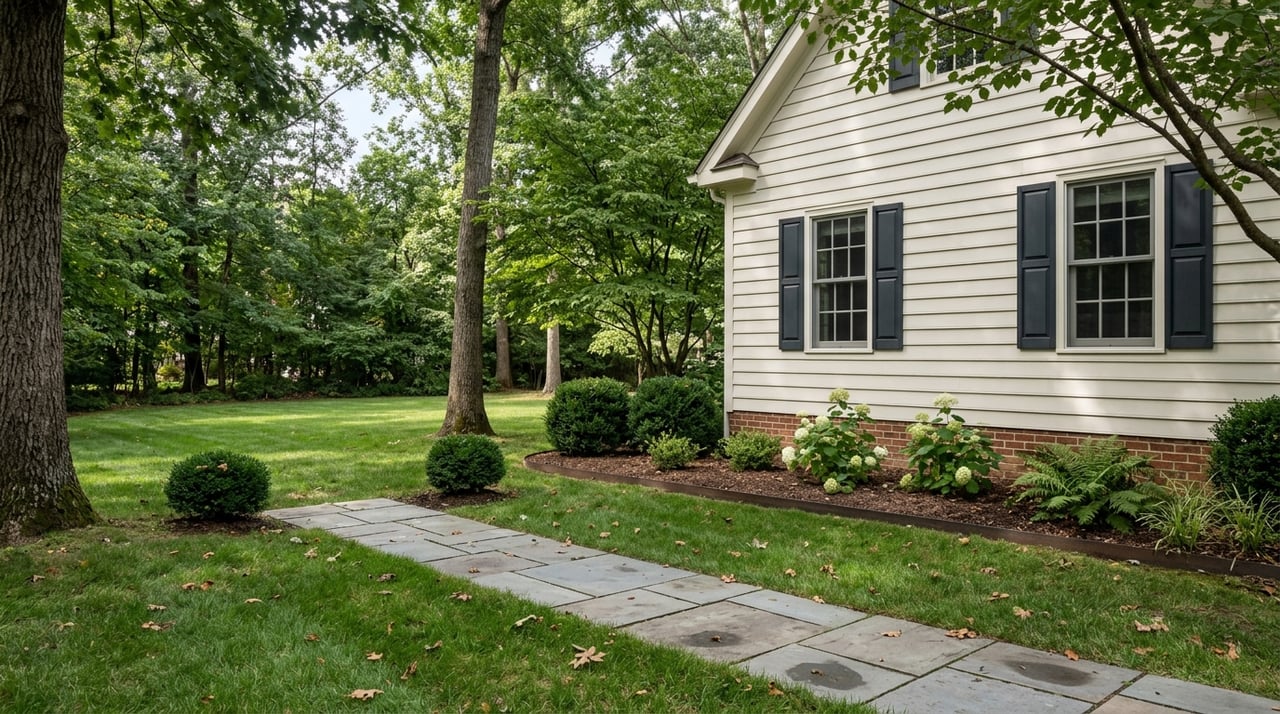
If luxury to you means peace, space, and a setting that feels tucked away without being isolated, Inverness deserves a closer look. Many buyers are not searching for flash. They want a home that offers privacy, mature surroundings, and a lifestyle that feels calm and established. In Inverness, that appeal comes through in the land, the layout, and the everyday experience of living there. Let’s dive in.
Inverness stands out because its sense of luxury is rooted in space and discretion. According to the U.S. Census Bureau QuickFacts for Inverness, the village has 7,428 residents across 6.53 square miles, which helps explain its low-density feel.
That same profile points to a highly owner-occupied market, with 98.2% owner-occupied housing, a median owner-occupied home value of $715,600, and a median household income of $207,434. Those numbers reflect a community that is primarily residential, established, and stable rather than fast-moving or heavily commercial.
For many buyers, that is the heart of quiet luxury. It is not about excess. It is about living in a place where the setting itself feels intentional, comfortable, and enduring.
One of the most important things to understand about Inverness is that privacy was part of its design from the beginning. The Village of Inverness history page explains that in 1926, developer Arthur T. McIntosh assembled land that, together with the Cudahy Company Golf Course, totaled 1,500 contiguous acres for development.
The village says the area was prized for its wooded land, meadows, and rolling terrain. Roads were laid out to follow the natural contours of the land, and lots were subdivided to fit the landscape rather than force a rigid pattern onto it.
That planning approach matters today because it shaped the character buyers still respond to. The village established a minimum lot size of one acre, homes were carefully positioned, and early residences were clustered around the golf club. The result is a streetscape that often feels open, green, and intentionally buffered.
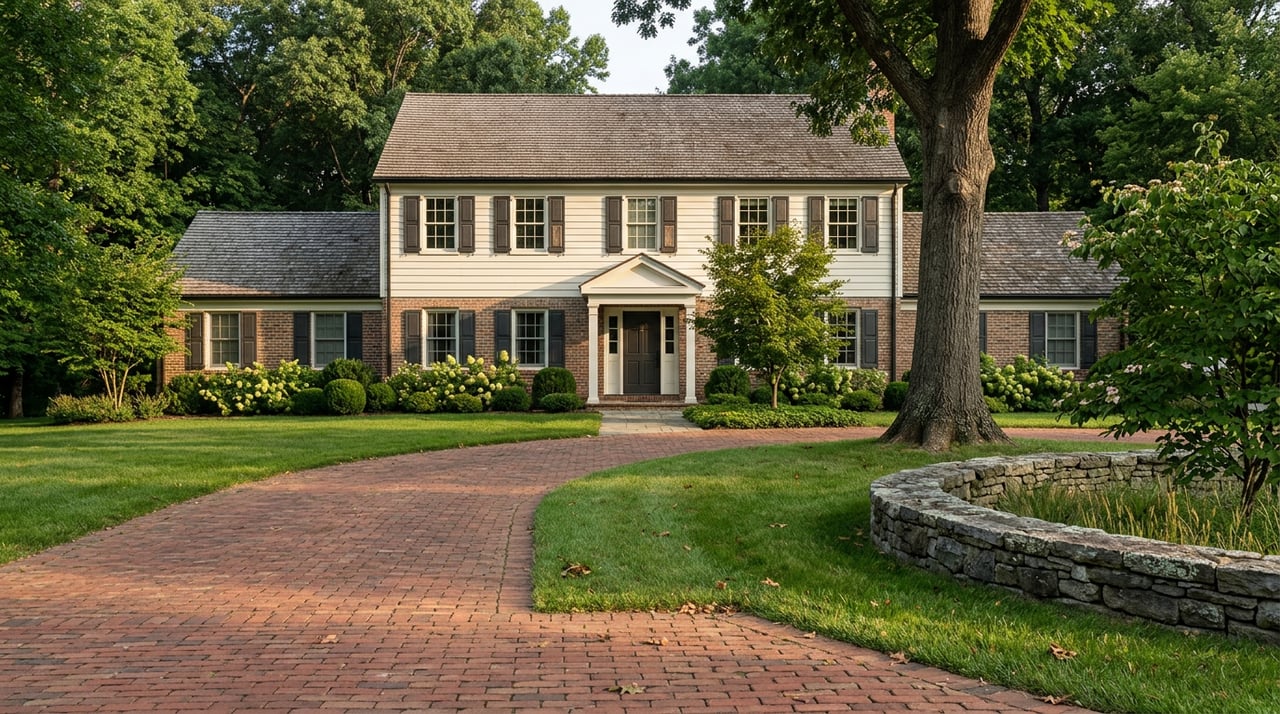
In practical terms, larger lots can change how a home lives day to day. More separation between homes can create a greater sense of calm, more room for landscaping, and stronger visual privacy from the street and neighboring properties.
In Inverness, those qualities are not accidental. They tie directly back to the village’s original planning standards and continue to shape buyer expectations today. For sellers, this also means lot size, mature landscaping, and the way a home sits on its site can be meaningful features to highlight.
Current oversight supports that long-term character. On the village building codes page, Inverness notes that construction must meet lot-zoning requirements and specifically includes tree preservation on private property as part of the code.
In some communities, golf is simply a nearby amenity. In Inverness, it is woven into the identity of the village itself. That distinction is important if you are trying to understand what gives the area its particular feel.
The Inverness Golf Club history traces the club back to 1926, when it began as a nine-hole retreat on rolling terrain. It expanded to 18 holes in 1938 and became a private member-owned club in 1955.
The club’s current site describes it as offering a century of tradition with golf, racquets, and events, while the village history page notes that the golf club served as the community’s recreation center in 1939. In other words, golf here is not just scenery. It has long helped shape the social and physical landscape of Inverness.
For buyers, that can translate into a stronger sense of place. For sellers, proximity to the club, golf-course adjacency, or views tied to surrounding green space may be especially relevant when positioning a home.
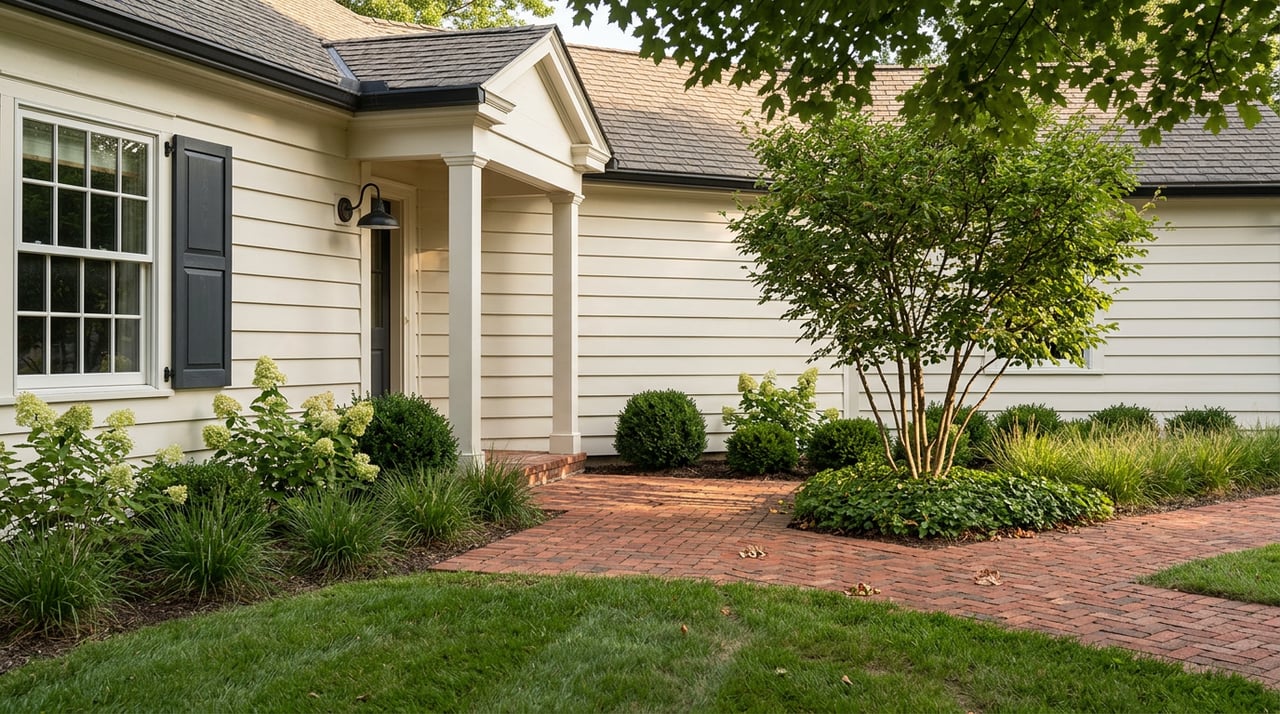
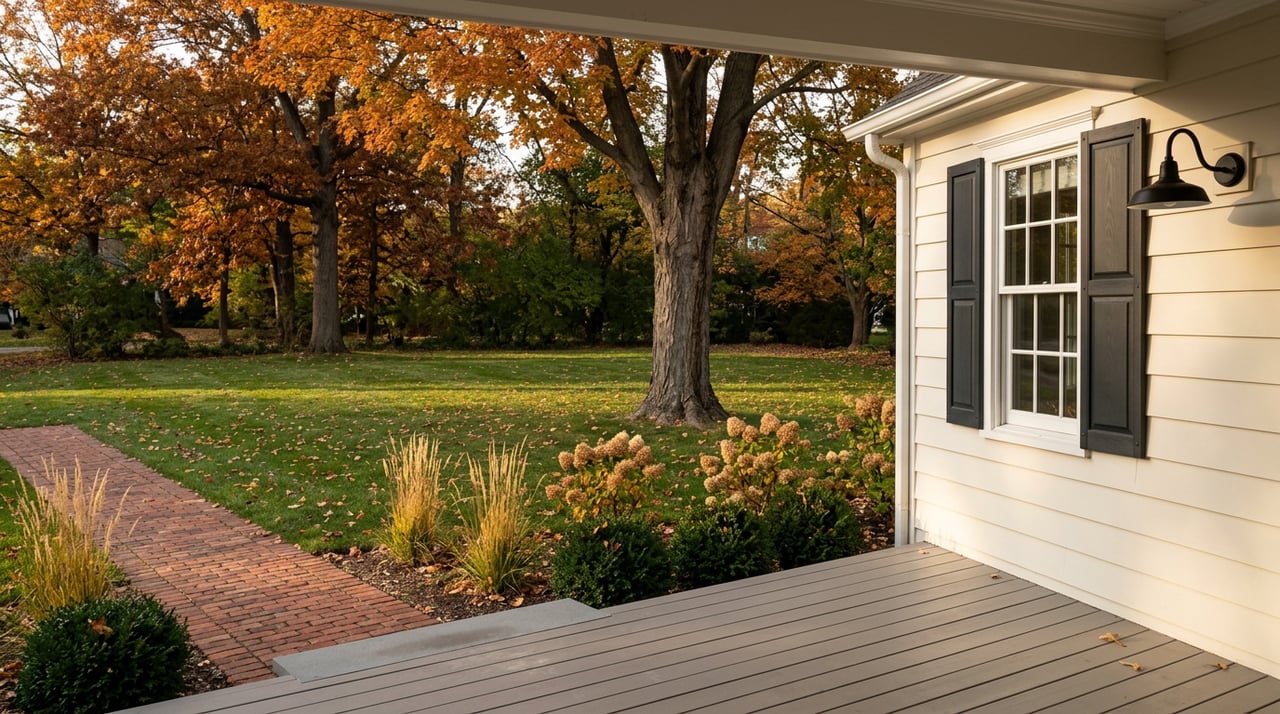
Quiet luxury often depends on what surrounds a home just as much as the home itself. Inverness supports that lifestyle with a setting that values landscape, canopy, and outdoor recreation.
The village notes that Inverness has been recognized as Tree City USA for 21 consecutive years. That recognition reinforces the idea that trees and natural character are not incidental here. They are treated as community assets.
The same village services page explains that the Inverness Park District maintains three parks totaling 42 acres. North Park and Maggie Rogers Park include field houses, gyms, meeting rooms, tennis and pickleball courts, walking paths, and playgrounds. South Park includes a T-ball field, walking path, educational loop, and playground.
This matters because green space in Inverness is not just something you look at from a car window. It is part of everyday living, with maintained public amenities layered into a low-density residential setting.
One reason Inverness feels settled is that so many homes are owner-occupied. The Census data points to a community where people tend to put down roots, which often supports a more consistent residential environment.
That profile can appeal to buyers who want a neighborhood experience centered on homes, green space, and a quieter pace rather than a dense commercial corridor. The village history also reinforces this image, noting that Inverness has retained its rural character and natural beauty over time.
If you are relocating from a denser part of Chicagoland, this can be one of the biggest lifestyle shifts. Inverness offers room to spread out, mature surroundings, and a landscape-first feel that is harder to find in more compact suburban settings.
When buyers tour homes in Inverness, several features tend to shape their impression right away:
Together, these factors create a community experience that feels polished but understated. That is often exactly what draws buyers who want a more private suburban lifestyle.
If you are preparing to sell a home in Inverness, your marketing should focus on the qualities that make the village distinct. Buyers are often looking beyond square footage alone. They want to understand how the property lives within its setting.
Important details to emphasize may include:
In a market like Inverness, presentation matters. Strong photography, thoughtful storytelling, and a clear strategy can help buyers see not just the home itself, but the lifestyle the property offers.
If you are considering a move to Inverness, it helps to balance the lifestyle appeal with practical details. The Census Bureau reports a mean commute time of 26.1 minutes, which gives useful context for buyers comparing suburban options across the northwest corridor.
The village also notes that school district assignments vary by location, with Districts 15, 211, and 220 listed for residents depending on where they live. Because district boundaries can differ within the village, buyers should verify the current assignment for any specific property directly through the relevant sources.
That kind of due diligence is especially important in a community where homes may differ meaningfully by lot, setting, and location within the village. A local advisor can help you compare those differences clearly and confidently.
At its best, quiet luxury feels effortless. It gives you room to breathe, a sense of permanence, and surroundings that do not need to announce themselves loudly to make an impression.
Inverness fits that idea well. Its one-acre-lot origins, mature tree canopy, golf-centered history, maintained parks, and stable residential profile all contribute to a lifestyle built around privacy, green space, and understated appeal.
If you are buying or selling in Inverness, understanding those details can make a real difference in how you evaluate a property or position it for the market. For personalized guidance and a tailored strategy, connect with Valorie Schmidt to schedule a consultation.
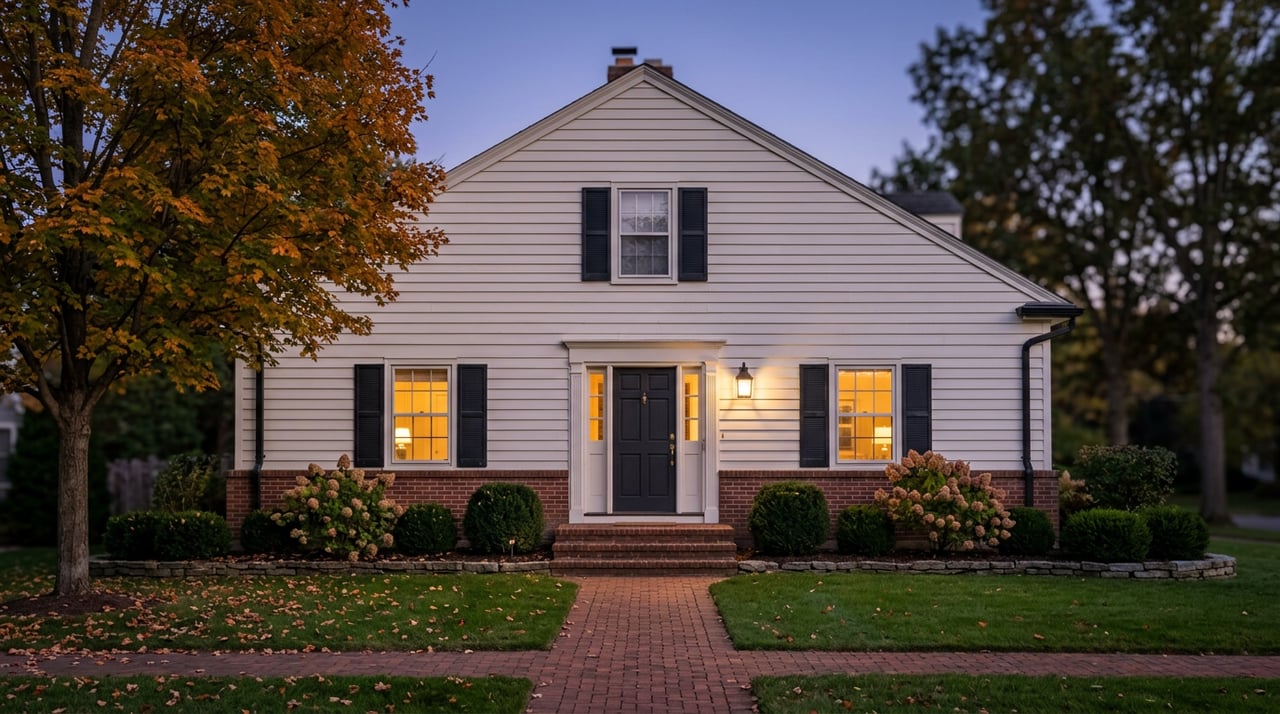

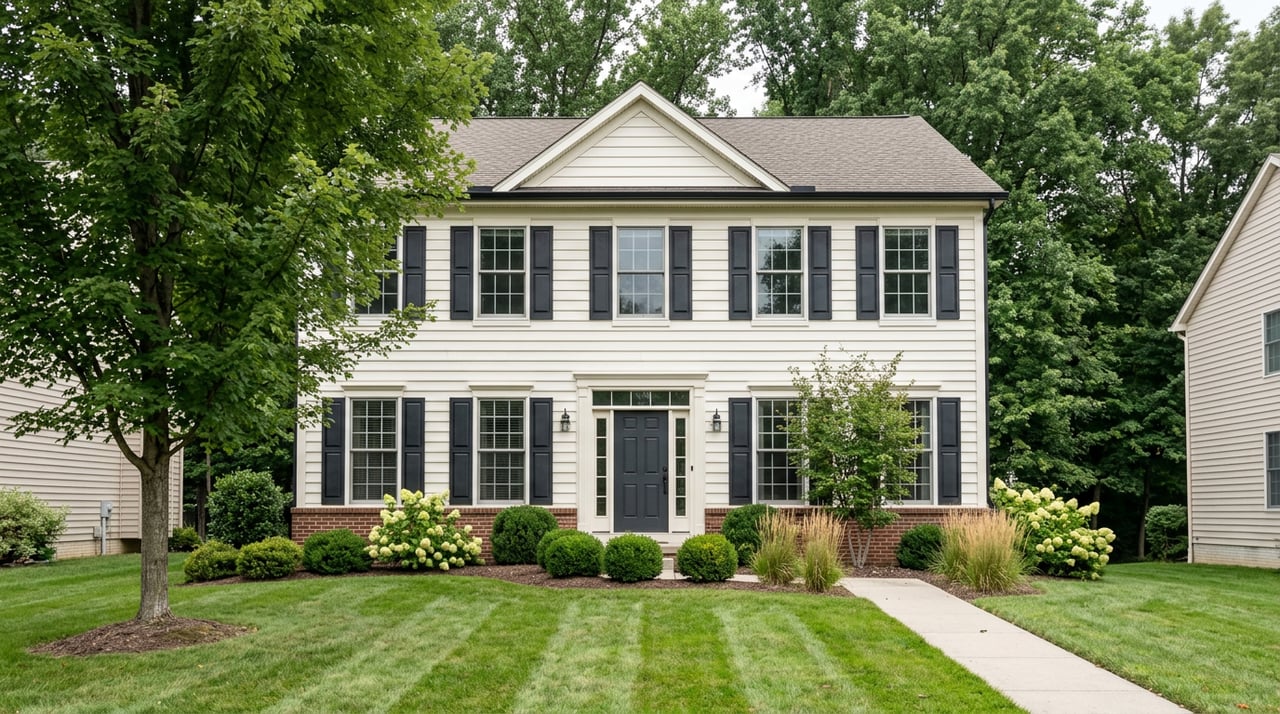
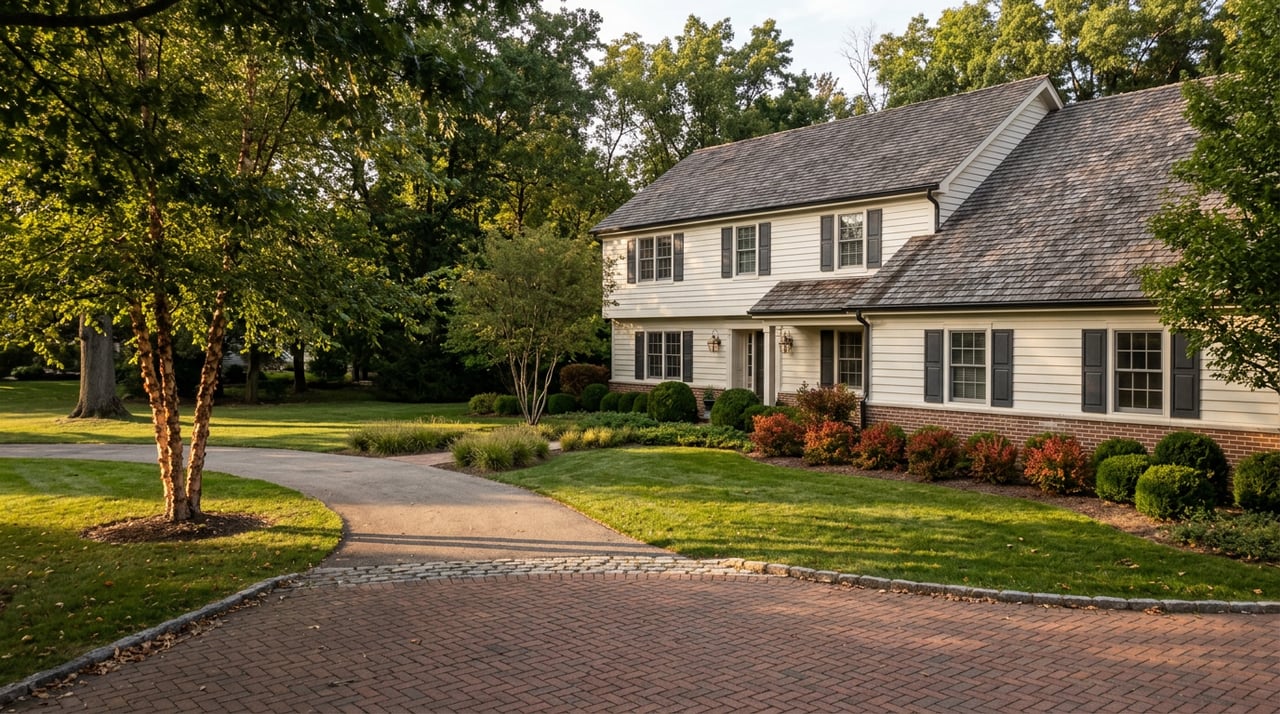
Whether you are just down the street or considering a move from another state, Valorie Schmidt is here to guide you through the exciting journey of real estate. Your dream home or a successful sale is just a conversation away.
OFFICE ADDRESS 508 S NORTHWEST HWY BARRINGTON IL 60010