
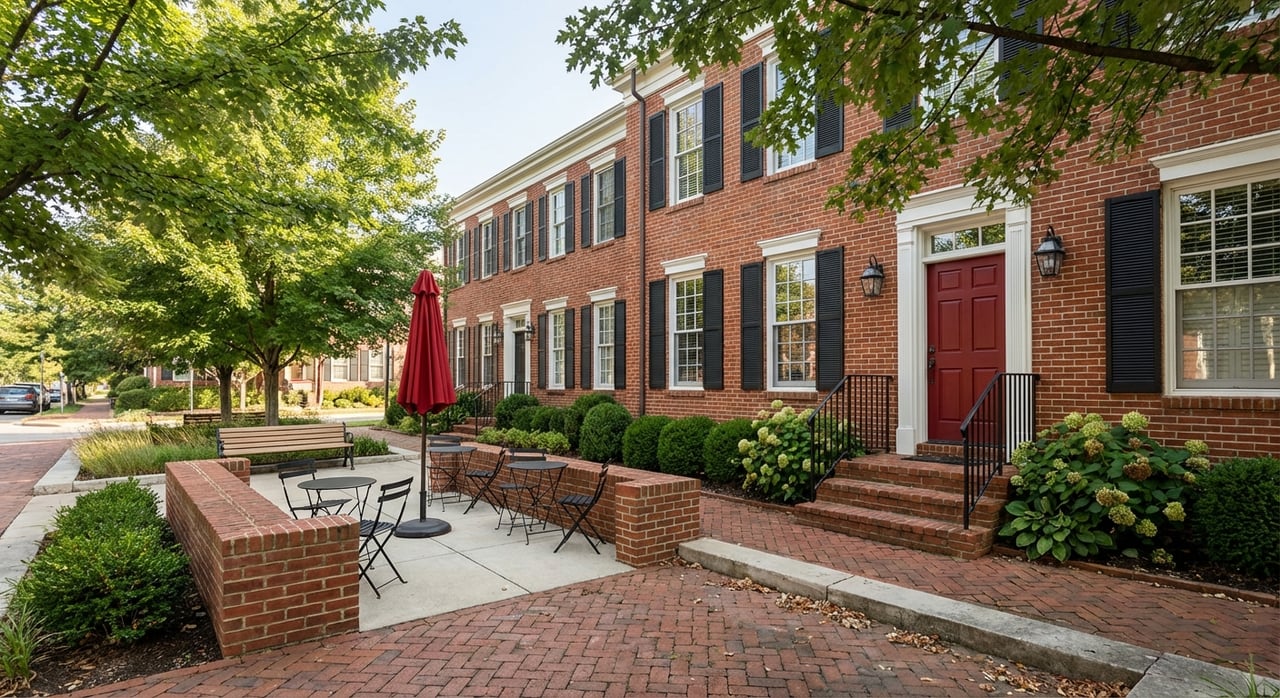
Imagine grabbing coffee on Campbell Street, strolling to the Metra, and choosing dinner from a dozen patios without moving your car. If you want city energy with suburban ease, downtown Arlington Heights delivers a true on-foot lifestyle. In this guide, you’ll learn where walkability is strongest, how errands and dining work day to day, your transit options, and the condo or townhome styles that fit low-maintenance living. Let’s dive in.
The village’s walkable heart sits around Vail Avenue and West Campbell Street. Compact blocks, sidewalk dining, boutiques, and services cluster here alongside mixed-use buildings and the Metra station. The village planned this core as a transit-oriented district to put homes, shops, and public space within a short walk of the train and each other. You can see that intent in how daily life functions near the station, retail plazas, and public plazas detailed in the transit-oriented development case study.
Walkability is highly location-specific. Central downtown scores around 87 (“Very Walkable”), while the village-wide average is closer to 48. That split matters if you want to run errands on foot. Focus your home search within a five to ten minute walk of the downtown Metra station and surrounding blocks with the highest Walk Score context for Arlington Heights.
Downtown makes everyday needs simple. You’ll find coffee shops, specialty food stores, salons, banks, pharmacies, dry cleaning, and package drop-off points within a compact area. For bigger grocery runs and big-box items, head a short drive to Randhurst Village, where anchors like Jewel-Osco and Costco sit in one regional hub. Learn more about the center’s anchors and layout on the Randhurst Village overview.
If you prefer a traditional supermarket run closer to home, local favorites include Mariano’s. You can confirm store details on the Mariano’s Arlington Heights store page.
Downtown supports a diverse dining scene with independent and regional spots. You’ll see names like Passero, Hey Nonny, Francesca’s Tavola, and Peggy Kinnane’s on local lists. In summer, the Arlington Alfresco program brings expanded sidewalk seating and a lively evening atmosphere. For an up-to-date snapshot of options, browse the neighborhood lineup on OpenTable’s Arlington Heights pages.
When you want fresh air, Lake Arlington is a go-to. This 50-acre park features a roughly two-mile paved loop for walking or running, fishing piers, and seasonal non-motorized boating. It is a perfect mid-day reset, fitness walk, or gentle bike spin. Explore amenities on the Arlington Heights Park District’s Lake Arlington page.
Closer to the pedestrian core, small green spaces and programmed parks add variety. North School Park and Recreation Park support year-round activities and community events. Between holiday displays, summer festivals, and casual playground time, you have quick choices for a walkable break.
Two Union Pacific Northwest (UP-NW) Metra stops serve the village: Arlington Heights in the downtown core and Arlington Park nearby. Trains run directly to Chicago’s Ogilvie Transportation Center. The downtown station sits roughly 22 to 24 miles from Chicago by rail alignment, and travel times vary by local or express trains. For route details and service patterns, review the UP-NW line overview.
Pace suburban buses connect key corridors and shopping areas, including routes that serve Randhurst and surrounding retail. If you drive, O’Hare International Airport is about 12 to 13 miles from central Arlington Heights. Actual travel time depends on traffic, so check your mapping app before you go. For a quick distance reference, see the Arlington Heights to O’Hare estimate.
Downtown’s compact grid, sidewalks, lighting, and bike-friendly streets make short trips simple. Municipal parking decks and street spaces support residents and visitors, which keeps evening dining and weekend outings easy. These decks were part of the broader downtown redevelopment strategy that paired parking access with a pedestrian-forward core, as described in the transit-oriented development case study.
If you want low maintenance near the train, start with condos close to Vail and Campbell. The downtown area includes older low-rise condo buildings from the 1960s to 1980s, mid-rise mixed-use buildings from the late 1990s to 2000s, and newer infill or loft-style units around Arlington Town Square. The goal was to place homes within a short walk of restaurants, shops, public space, and transit. You can see how this design supports daily life in the TOD case study.
Pricing runs a wide range. Older one-bedroom condos often trade in the low-to-mid $100,000s to $200,000s. Newer downtown one to two-bedroom units commonly list from the mid-$200,000s up to the $400,000s, depending on finishes, building age, and exact location. Most mid-rise buildings include monthly HOA fees that typically cover exterior maintenance, snow removal, common areas, and sometimes heat, water, or gas. Always check the current MLS for live pricing and the exact HOA inclusions for each building.
Townhome communities built in the 1990s through the 2010s offer private entrances, attached garages, and reduced exterior upkeep. These are popular with downsizers who want a bit more space than a condo with less maintenance than a single-family home. Several enclaves sit within a short drive or bike ride of downtown, giving you fast access to restaurants and the train without full yard care.
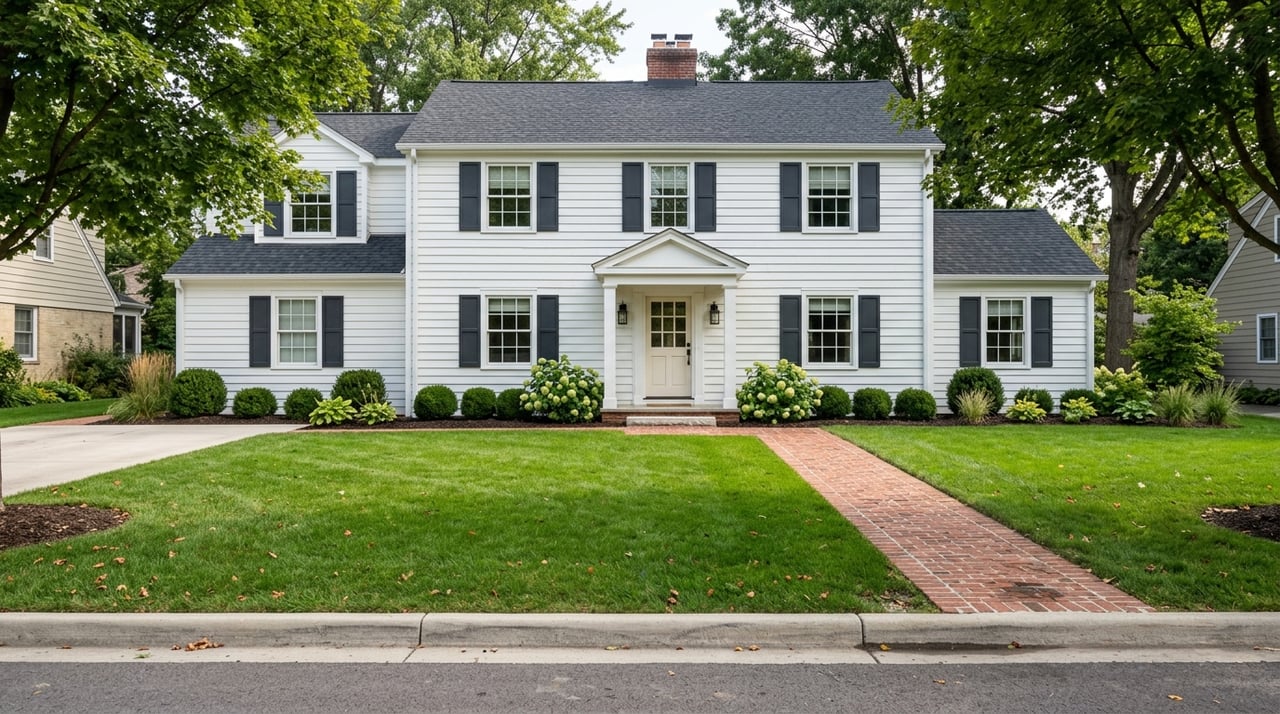
You will find older single-family streets with bungalows, ranches, and split-levels within a few blocks of downtown. True walkability concentrates in the compact commercial core and the blocks that radiate from the station, where sidewalks, lighting, and retail density are strongest. If regular car-free errands matter most, prioritize homes or buildings as close as possible to the downtown station and high Walk Score areas.
Recent market pages report a median sale price near $495,000 across property types in Arlington Heights, while condos and townhomes often price below single-family medians. Inventory and pricing shift month to month. Use live MLS data on your search day to align expectations and spot opportunities.
If you want the feel of an active neighborhood without a long car list every weekend, the downtown core checks a lot of boxes. You can balance a quieter suburban home base with the ease of café mornings, quick errands, and a simple train ride when you need the city. Think through your must-haves, then focus your search within a five to ten minute walk of the station to make the most of this lifestyle.
Ready to tour the right blocks, compare buildings, and price your options? Reach out to Valorie Schmidt to get a custom plan for your move. Get a Free Home Valuation or Schedule a Consultation, and step into a lifestyle that fits your day-to-day.
Whether you are just down the street or considering a move from another state, Valorie Schmidt is here to guide you through the exciting journey of real estate. Your dream home or a successful sale is just a conversation away.
OFFICE ADDRESS 508 S NORTHWEST HWY BARRINGTON IL 60010