
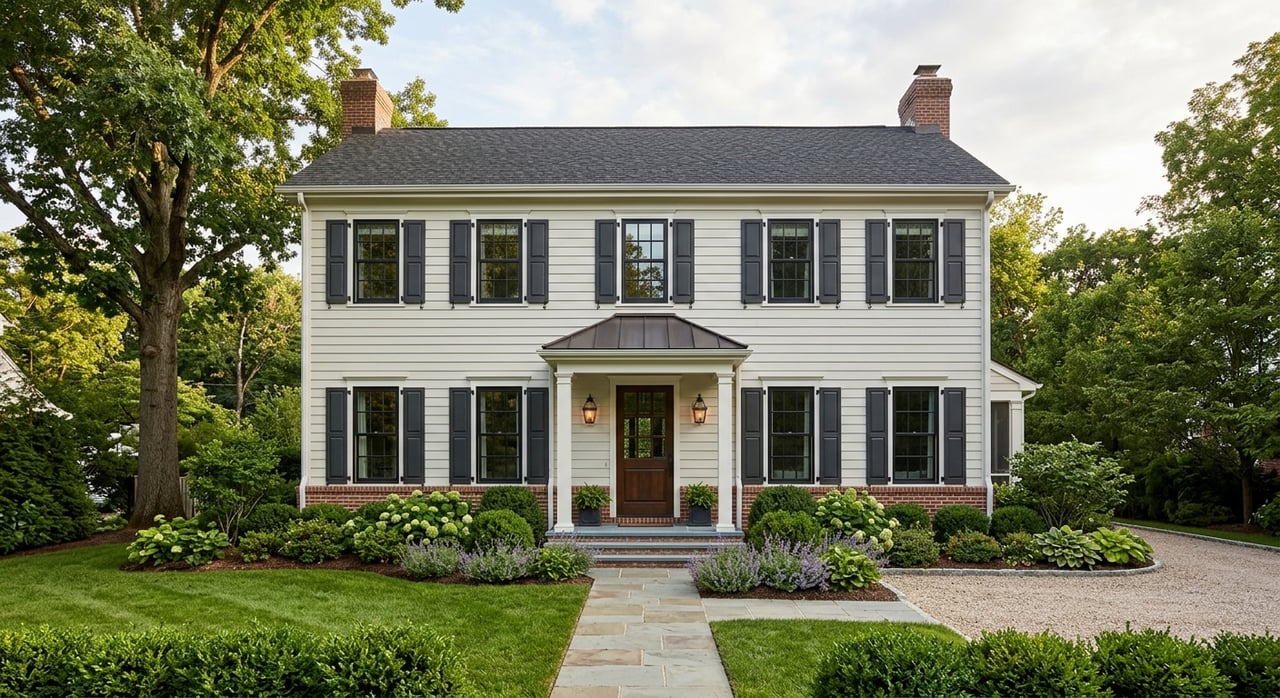
Wondering whether Arlington Heights is the place to find sleek new finishes or the kind of home with real personality? The truth is, you can find both here, but not always in the same location, lot style, or maintenance package. If you are trying to choose between new construction and classic charm in Arlington Heights, this guide will help you weigh what matters most so you can move forward with confidence. Let’s dive in.
Arlington Heights is a mature suburb, which shapes the housing choices you will see. Regional planning data shows a median year built of 1974, with much of the housing stock built between 1940 and 1989. Only 2.4% of homes were built in 2010 or later, so newer homes are the exception rather than the norm.
That matters because this is not a market of large, brand-new subdivisions. The village has very little vacant land left, and planning documents note that future housing growth is expected to come mainly from redevelopment and infill. In simple terms, if you want new construction in Arlington Heights, you are usually looking at a downtown condo or apartment, a townhouse, or a tear-down and rebuild on an existing lot.
In Arlington Heights, new construction often means a different lifestyle than buyers first expect. Rather than rows of newly built homes on wide-open land, newer housing is typically tied to redevelopment areas, especially downtown and other infill sites. The village’s planning documents also note that replacement of older homes with new, larger homes has become more common.
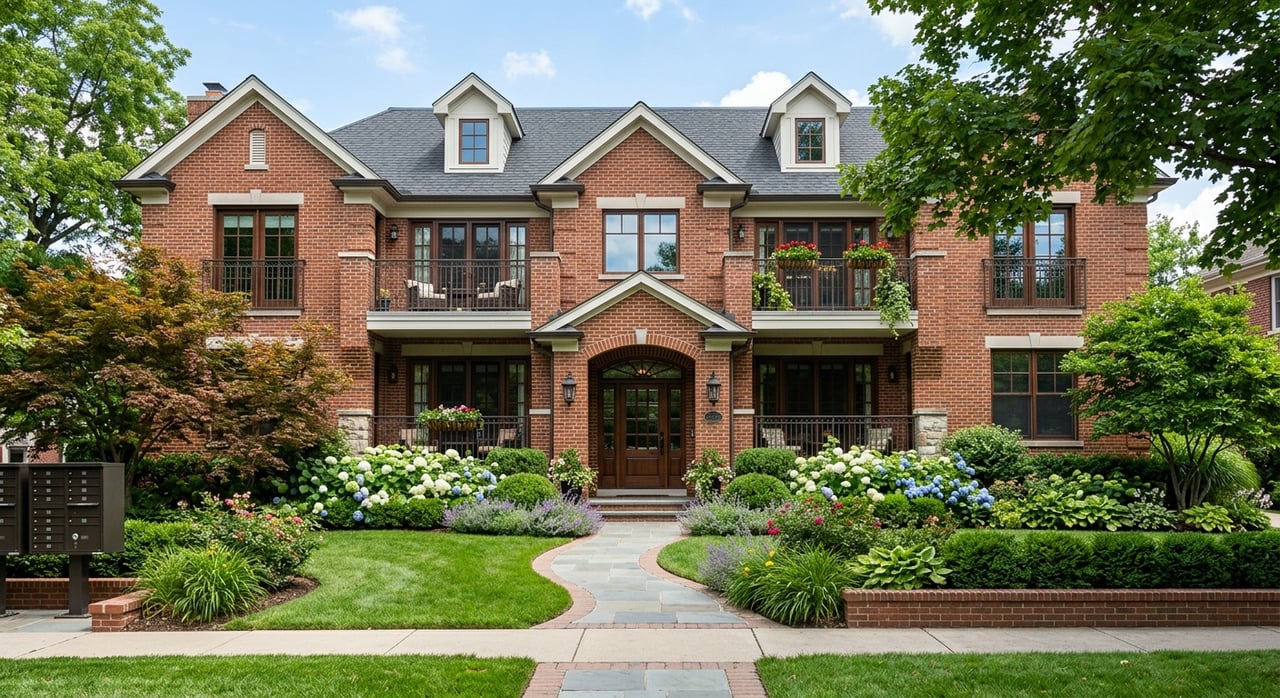
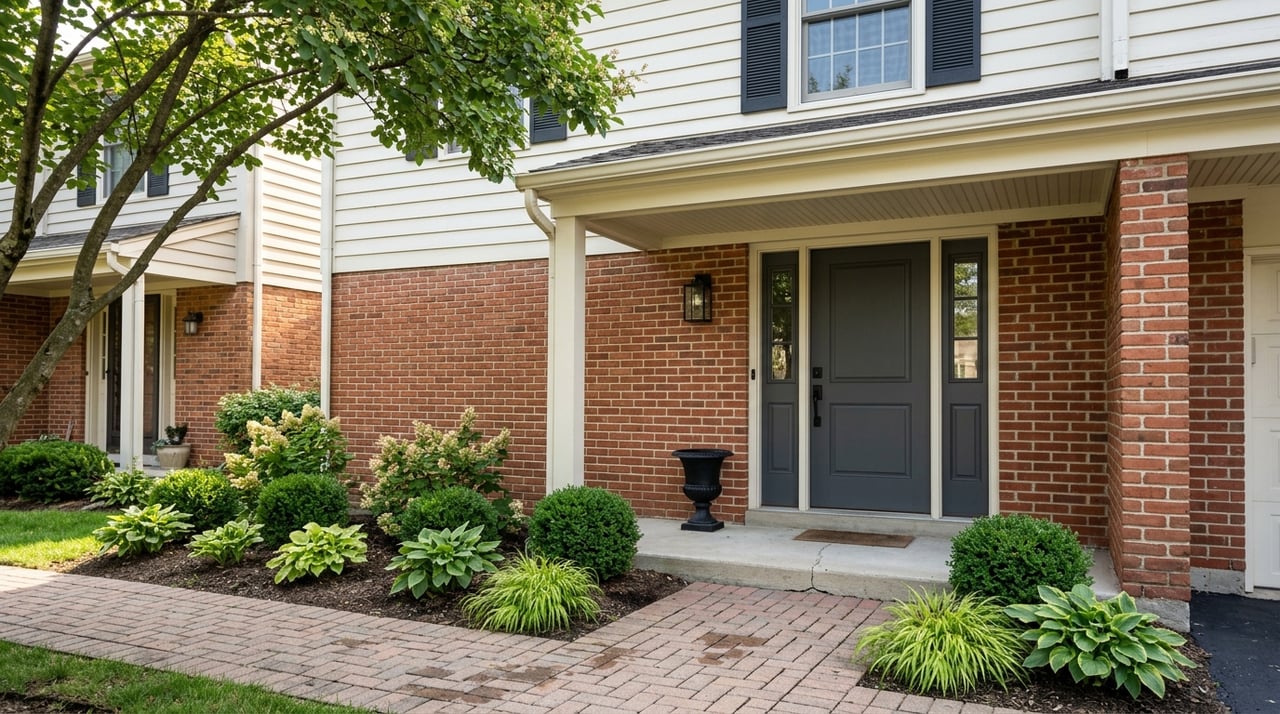
That gives you a few likely paths. You might find a newer condo or apartment near downtown, a townhouse in a redevelopment pocket, or a newly built single-family home that replaced an older property. Each option can offer a more current layout and newer materials, but the setting and lot configuration may feel very different from older detached-home neighborhoods.
Newer homes are built under current village and state standards, including the 2018 ICC building and residential codes and the 2021 Illinois Energy Conservation Code. For many buyers, that can mean more peace of mind around efficiency, systems, and day-one maintenance.
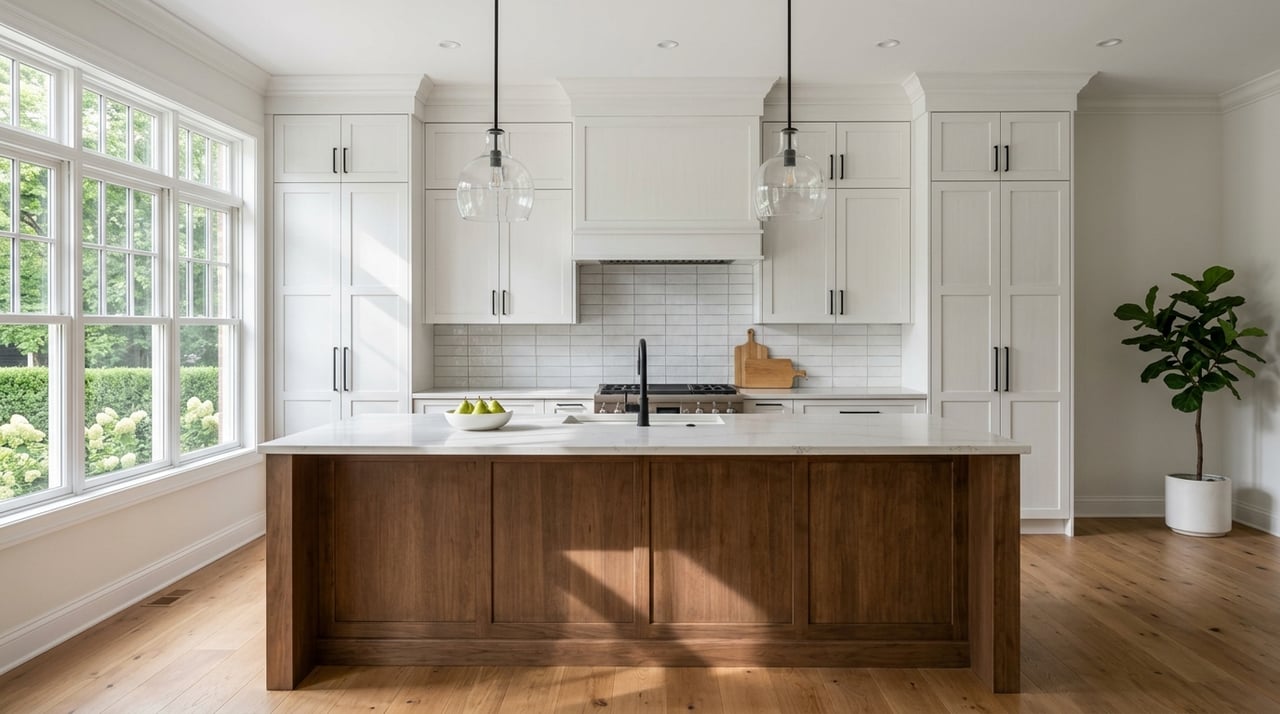
You may also get a floor plan that matches how people live today. Open living spaces, newer kitchens, and more modern storage are often part of the appeal. If you want less immediate repair work after closing, new construction can be an attractive option.
The main trade-offs usually come down to location, yard space, and context. Because much of Arlington Heights’ newer development is tied to downtown or infill, private outdoor space may be smaller or shared. If you picture a large backyard, you will want to compare lot size carefully rather than assume a new home automatically checks that box.
Neighborhood fit matters too. The village’s design guidance for new homes and additions focuses on neighborhood character, site layout, bulk, massing, and materials. So even when a home is brand new, it is still part of a broader streetscape that may influence what the home looks like and how it sits on the lot.
Classic charm in Arlington Heights is not just one style. The village identifies several major development periods that shaped the community, from early railroad-village homes near the station to inter-war neighborhoods and postwar suburban growth. That creates a genuine range of older homes with distinct architectural character.
Depending on where you look, you may see Victorian-influenced homes near the station, inter-war styles such as French, Spanish, American Bungalow, and Frank Lloyd Wright-style houses, plus postwar ranches, split-levels, tri-levels, Cape Cods, neo-colonials, and more. If you care about mature streetscapes and design details that feel established, older homes offer a wide menu of choices.
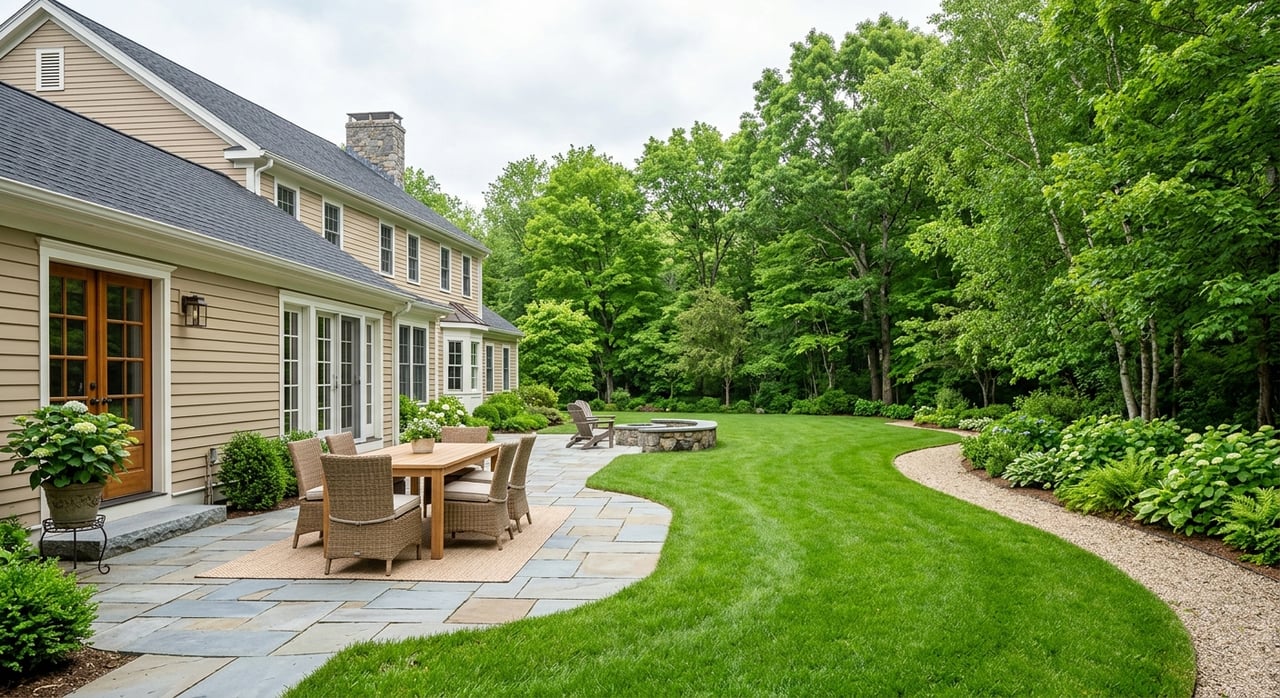
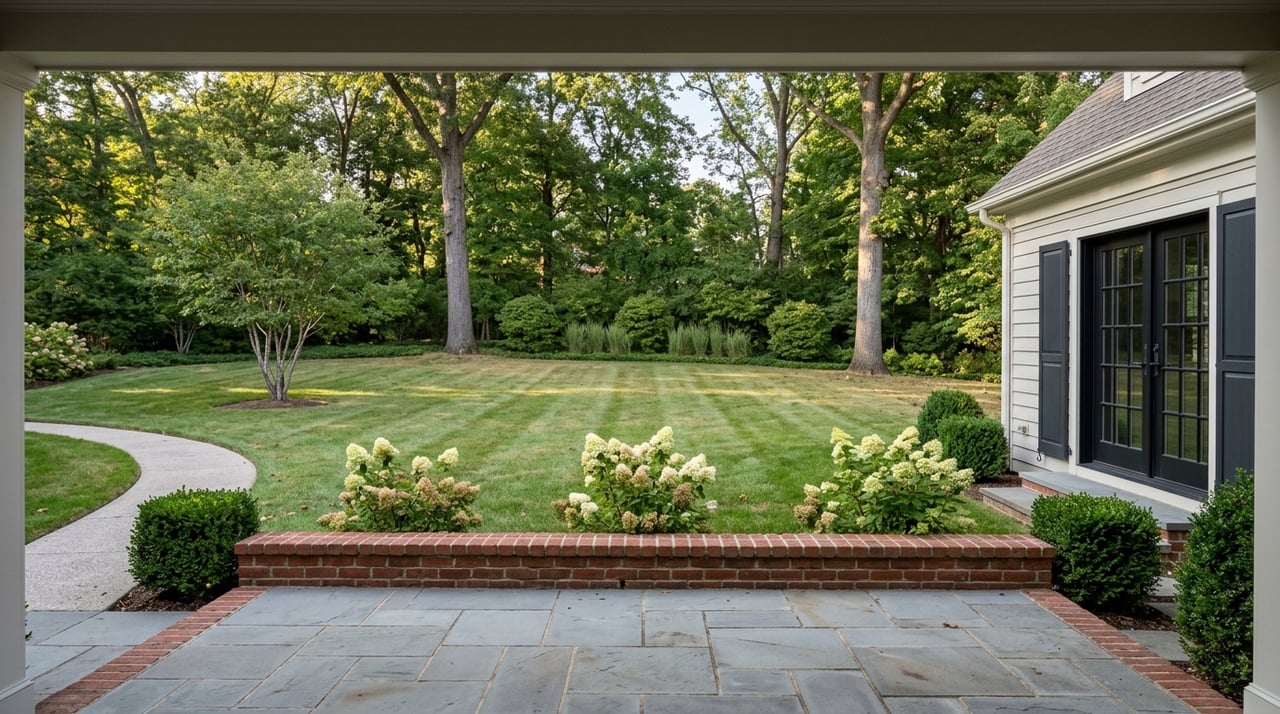
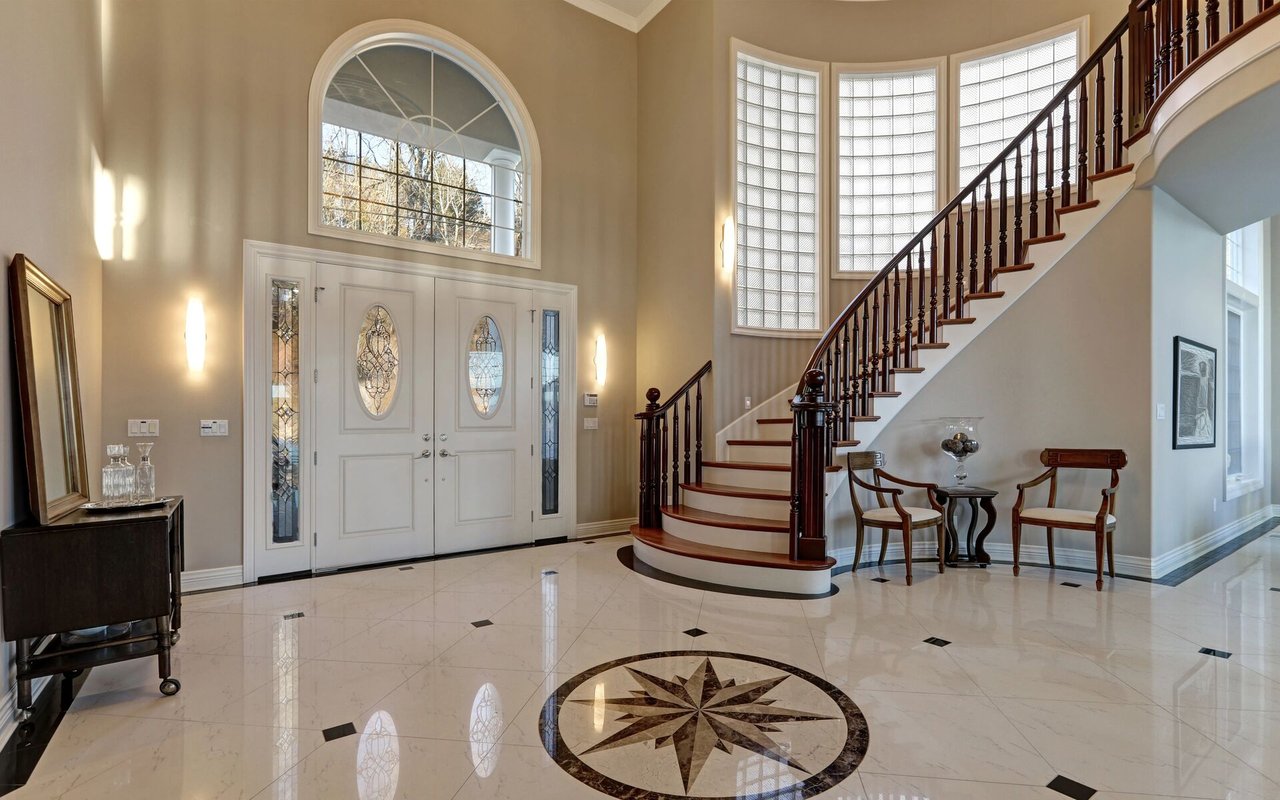
Older homes often stand out for character, lot patterns, and a more established setting. In many detached-home areas, you may find more private outdoor space than you would in a compact downtown redevelopment area. Mature landscaping and a long-established street feel can also be a major part of the appeal.
You also get more variety. Since so much of Arlington Heights was built across different eras, older homes can offer architectural details and layouts that feel more individual. For buyers who value personality over predictability, that can be a big advantage.
Older does not mean risky, but it does mean you should ask better questions. Most older homes in Arlington Heights were built long before today’s code framework, so due diligence becomes especially important. The focus shifts from simply liking the style to understanding what has already been updated and what may still need work.
That can affect your budget after closing. Census QuickFacts lists the median owner-occupied home value in Arlington Heights at $414,500, with median household income at $116,723, so carrying costs matter. If you buy an older home with charm, you may also need to plan for updates, repairs, or future system replacements.
For many buyers, this is the real decision point. Arlington Heights can offer walkability, but that lifestyle is strongest in and around downtown. The updated Downtown Master Plan is intentionally pedestrian-oriented and supports more residential density in the core.
Village-wide, though, Arlington Heights is still largely car-dependent. Commuting data shows that 62.0% of workers drove alone, while 4.3% used transit and 1.5% walked or biked. So if you want to walk to the train, errands, or dining more regularly, you should focus your search close to the station-area core rather than assuming that experience is consistent across the village.
Yard size usually tracks with density more than age. Detached single-family homes still make up 53.5% of housing units, while 34.6% of units are in buildings with five or more units. In practical terms, homes near downtown are more likely to trade private yard space for convenience, while established detached-home neighborhoods are more likely to offer larger outdoor areas.
If you are choosing between new construction and classic charm, start with how you want to live day to day. Your best fit may have less to do with age and more to do with upkeep, outdoor space, and location.
No matter which direction you lean, the right questions can save you time and help you compare homes more clearly. In Arlington Heights, these questions are especially useful because so much of the market involves either older housing stock or infill redevelopment.
In Arlington Heights, newer construction is usually about efficiency, location, and low-maintenance living. Classic charm is usually about character, established streets, and a different kind of long-term value. Neither is automatically better. The right choice depends on what you want your daily life to look like and how you want to balance upkeep, walkability, and outdoor space.
If you want help narrowing your search and comparing homes with a clear local lens, Valorie Schmidt offers thoughtful, hands-on guidance to help you make a smart move in Arlington Heights.
Whether you are just down the street or considering a move from another state, Valorie Schmidt is here to guide you through the exciting journey of real estate. Your dream home or a successful sale is just a conversation away.
OFFICE ADDRESS 508 S NORTHWEST HWY BARRINGTON IL 60010